Genealogy is one of the most popular past times in the United States and in other parts of the world. Internet technology and genealogy websites have made it very easy for newcomers interested in tracing their roots to find historical records almost as soon as they dive in. When that success runs out, they feel very frustrated, and they realize they need guidance to continue. Have you reached a point of frustration? Review the following pitfalls of jumping back too fast in genealogy; perhaps they will help you get back on track.
When you begin your research, take your time, and don't get in a big hurry. Keep things simple, and look for one piece of information at a time. If you try to do too much too fast, you risk getting confused, having no online success, and getting frustrated with online research, according to Genealogy Online for Dummies.
What are some of the common sources of frustration that occur when you are too hasty? You may be tempted to rush back from one generation to the next without taking the time to identify each member of the family group. The more siblings an ancestor has, the more avenues you have to research records that may lead to their parents.
Each record you come across will provide different clues about your ancestors and their family. If you grab only the details that you feel you need at the time and overlook other important clues in records, it may cause you to hit a stumbling block. You may forget for good that you had that piece of information, or you will have to find your way back to that record again. Hopefully, you will remember where you put it. Extract all the details the first time.
You ancestor may have moved around a lot. It pays to be thorough in your research. If you identify his parents from his death record and jump to documenting the parents without finding everything else on that ancestor, you may not find one piece of evidence if they did not live in the same area. Instead, figure out what records are available for the timeline of your ancestor's life. If it is the census, trace that ancestor on each census going back.
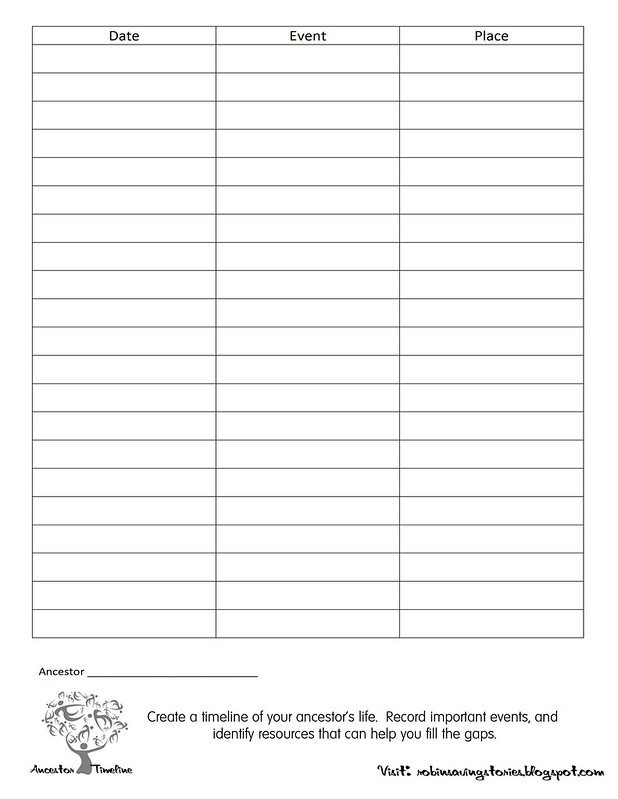
Create a timeline of events that you find during the lifetime of your ancestor. Resist the temptation to jump to the next generation because you have found a couple of details. Look for more records to fill in the gaps in the timeline. This will paint a more clear picture of who your ancestor was.
Search for more than one resource to document events or relationships. Don't just settle for finding one marriage record or children that you were already aware of. Many times the stick-to-it-iveness of researchers has led them to discover a previous marriage and children or children who show up on a census in spite of the fact that no oral history survived for them after they died young.
One of the biggest pitfalls to being hasty in genealogy is lack of organization. How your research is organized (genealogy software, online trees, Excel spreadsheets, or folders) will determine what kind of success you will have. Order helps you glean information and inspiration.